


Understanding the psychological effects of gambling on decision-making processes
The Nature of Gambling and Its Psychological Impact
Gambling is often viewed as a game of chance, but the psychological effects it has on individuals can be profound. When people engage in gambling, they are not just wagering money; they are also entering a complex web of emotional and cognitive processes. The thrill of potential win creates an adrenaline rush, which can significantly influence decision-making. This excitement can cloud judgment and lead to impulsive choices that may not align with one’s financial or personal well-being. Additionally, platforms like 30bet illustrate this interaction by providing an exciting gaming experience that can draw players in.

Furthermore, the nature of gambling often involves cognitive biases such as the illusion of control, where individuals believe they can influence outcomes through skill or strategy. This belief can exacerbate risky decision-making, as gamblers may persist in their bets despite poor odds, driven by hope rather than rationality.
Cognitive Biases and Their Effects on Decision-Making
Cognitive biases play a crucial role in how gamblers process information and make decisions. For instance, the confirmation bias may lead individuals to focus on winning experiences while disregarding losses. This selective memory reinforces the belief that they are more successful than they actually are, driving them to continue gambling against better judgment.
Additionally, the availability heuristic causes gamblers to overestimate the likelihood of winning based on recent experiences or stories from others. This can create a false sense of security and promote further gambling activity, often leading to detrimental consequences for their financial and emotional health.
The Role of Emotions in Gambling Decisions
Emotions significantly influence decision-making in gambling contexts. The highs of winning can lead to overconfidence, while the lows of losing can result in despair and impulsivity. Many gamblers experience what is known as the “gambler’s fallacy,” where they believe that past outcomes influence future results, prompting them to chase losses in a desperate attempt to regain their losses.
This emotional rollercoaster can create a cycle of poor decision-making, as individuals may gamble more in a bid to escape negative feelings or to celebrate a win. The interplay of emotions often overshadows rational thought, leading to decisions that prioritize immediate emotional gratification over long-term consequences.
The Social Context of Gambling and Its Influence
The social environment surrounding gambling can significantly affect decision-making processes. Many individuals are influenced by peer pressure or social norms that glorify gambling as a thrilling activity. This societal validation can encourage individuals to gamble more frequently, as they seek acceptance within their social circles.
Moreover, the presence of social cues, such as advertisements and the behavior of other gamblers, can heighten the excitement and impulsivity associated with gambling. This social influence can create a feedback loop, where individuals feel compelled to act against their better judgment, further entrenching them in gambling behavior.
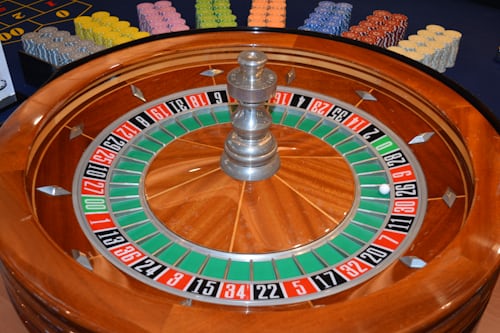
30bet Casino: A Responsible Gambling Environment
30bet Casino exemplifies a platform that prioritizes responsible gambling while providing an enjoyable experience. With a wide selection of games and sports betting options, it combines entertainment with a commitment to player well-being. The site offers tools for players to manage their gambling habits, ensuring that enjoyment does not lead to detrimental decision-making.
By implementing robust security measures and promoting responsible gaming practices, 30bet aims to create a safe space for both casual players and enthusiasts. The platform’s user-friendly interface and attractive bonuses make it an appealing choice, all while emphasizing the importance of making informed and rational decisions in gambling.